
Nepean Towing provides ditch recovery in Ottawa for vehicles that have slid off the road, gone into a snowbank, or become stuck in soft ground and cannot be driven out. Call (613) 806-8806 any time and we dispatch across the Ottawa-Gatineau area with the winch equipment needed to pull your vehicle back onto solid road surface.
Ottawa winters put a significant number of vehicles into ditches every year. Black ice on the Queensway, snow-packed rural roads in Barrhaven and Bells Corners, and the freeze-thaw cycles that turn shoulders into soft ground in spring all create conditions where leaving the road happens in seconds. When it does, the recovery process needs to be handled correctly to avoid making things worse. Call us and we take it from there.
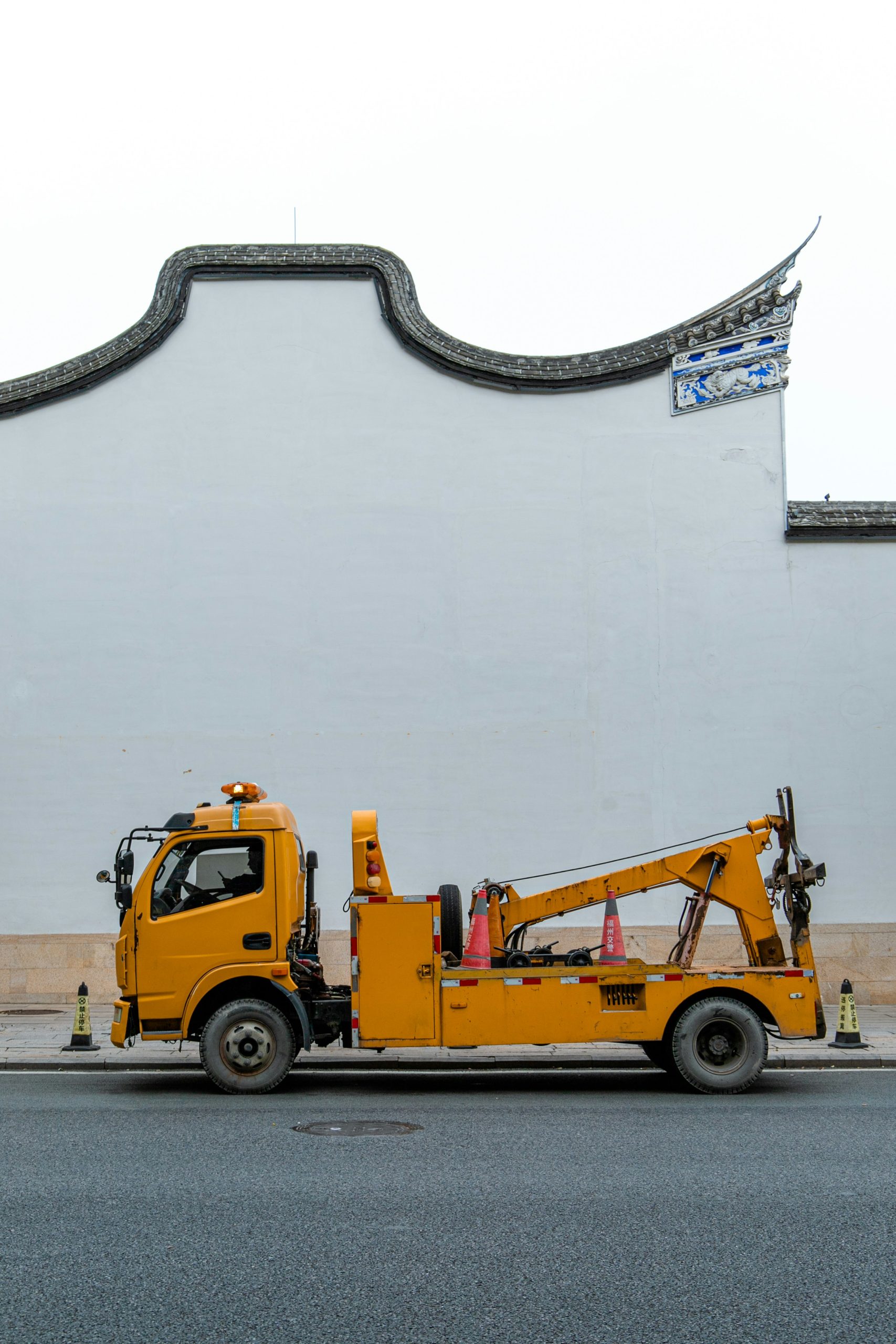
Ditch recovery uses a winch to pull the vehicle back onto the road surface from whatever position it has come to rest in. The approach depends on the vehicle's angle, depth in the ditch, ground conditions, and whether the wheels can turn and roll once pulled free. Our operator assesses all of this before attaching anything to the vehicle. The winch cable is attached to a structural point on the vehicle, not to the bumper, tow hook cover, or any trim piece. The pull is controlled and steady, not a single hard yank that transfers shock force through the chassis.
Once the vehicle is back on the road surface, the operator checks the wheels, suspension, and undercarriage for visible damage before advising whether the car is drivable or needs to be loaded for a tow. A vehicle that slides cleanly into a shallow ditch and comes out undamaged is often drivable. A vehicle that has been in a deeper ditch, struck something on the way in, or lost a wheel alignment during the slide may need to be transported. We tell you what we see and let you decide how to proceed.
Ottawa receives an average of 236 centimetres of snow per year, and the roads that serve outer communities like Stittsville, Greely, and the rural areas south of Barrhaven are the first to become hazardous when snow falls and the last to be cleared. Black ice forms overnight on bridges and overpasses across the city and often goes undetected until a vehicle has already lost traction. Ditch recovery calls spike during the first significant snowfalls of the season and again during freezing rain events, when road surfaces look clear but are coated in a thin layer of ice.
Spring mud season creates a different but equally common ditch recovery scenario. As the frost comes out of the ground, road shoulders and low-lying areas along rural Ottawa roads become soft. A vehicle that drifts slightly off the edge of the pavement can sink into soft ground quickly, sometimes in situations where the road itself is perfectly dry. These recoveries require the same winch approach but with attention to the direction of pull to avoid the wheels digging deeper into the soft surface as they spin.
The instinct when stuck in a ditch or snowbank is to apply more throttle. In most cases this makes the situation worse. Spinning wheels in a ditch pack snow and ice into a harder surface under the tyres, dig the vehicle deeper into soft ground, and can overheat the tyres in deep snow. If you are stuck and the vehicle is not moving forward, stop trying and call us. A vehicle that has only lightly left the road is often a quick pull. One that has been spun into a deeper position takes more time and equipment to recover.
Not every ditch recovery ends with the vehicle being driven away. If the vehicle struck a curb, post, or culvert on the way into the ditch, there may be suspension, steering, or wheel damage that makes driving unsafe. If the ditch is steep enough that the vehicle rolled onto its side, loading it is the only option. If the soft ground has allowed the vehicle to sink to the point where the undercarriage is in contact with the ground, additional equipment beyond the winch may be needed to free it before it can be pulled out.
In all of these situations, we assess the vehicle condition after recovery and advise you before you get back behind the wheel. Driving a vehicle with compromised steering or a bent wheel out of a recovery situation can turn a ditch incident into a collision. If there is any doubt about the vehicle's condition after the pull, we transport it to wherever you want it inspected.
Ditch recovery in the Ottawa-Gatineau area covers more than urban road incidents. Rural properties, farm lanes, conservation areas, and gravel roads throughout Lanark County and the Ottawa Valley all produce vehicle recovery calls where standard roadside assistance does not reach. We dispatch to rural locations across the region and bring the equipment needed for recoveries in soft soil, mud, and snow-covered ground where the road surface is not right beside the vehicle.
View all towing and recovery options on our Towing Service Ottawa page.
Not necessarily. Once we pull the vehicle back onto the road, the operator checks the wheels, suspension, and undercarriage visually before advising you. If nothing is visibly damaged and the steering feels normal, the vehicle is often drivable. If there is any sign of suspension damage, a bent wheel, or unusual tyre wear from the incident, we will tell you and leave the decision to you. We do not automatically push for a tow when a pull is all that is needed.
Many auto insurance policies in Ontario include roadside assistance coverage that covers ditch recovery and winching. Check your policy documents or call your insurer to confirm. If your coverage includes it, you may be reimbursed after paying for the service directly, or your insurer may have a preferred provider to call. If you are not sure, call us anyway and we handle the recovery. You can sort out the insurance question after you are back on the road.
The key is attachment point selection and controlled pull speed. We attach the winch cable to a structural point on the vehicle, such as the frame, tow hook, or recovery point, never to the plastic bumper cover, tow hook cap, or any trim. The pull is applied steadily with the operator monitoring the vehicle's movement throughout. We adjust the angle of pull to guide the vehicle back onto the road in a straight line rather than dragging it sideways across the ditch edge, which is where additional damage typically occurs.
Move to higher ground if there is any nearby, as cell signal often improves even a short distance from a low-lying area. Try calling from a different spot before giving up. If you cannot get signal at all, turn on your hazard lights, stay with the vehicle if it is safe, and wait for another driver to pass who can call for help or stop at the nearest house to make the call. If you do reach us, give us the road name, the nearest intersection or postal address you can see, and a description of your vehicle so we can locate you accurately.
Yes. A vehicle embedded in a deep snowbank that cannot be driven free is a winch recovery job in the same category as a ditch pull. The winch cable is attached to the vehicle and used to pull it clear of the snow while the operator monitors whether the wheels are rolling or packing. Deep snowbank recovery sometimes requires more than one pull from a different angle if the vehicle has sunk in from multiple sides. Call us with your location and describe the situation and we advise on how to handle it.
Call Nepean Towing. We dispatch winch recovery trucks across the Ottawa-Gatineau area 24 hours a day, including winter storm conditions.
(613) 806-8806
See all Ottawa towing services: Towing Service Ottawa
Back to homepage